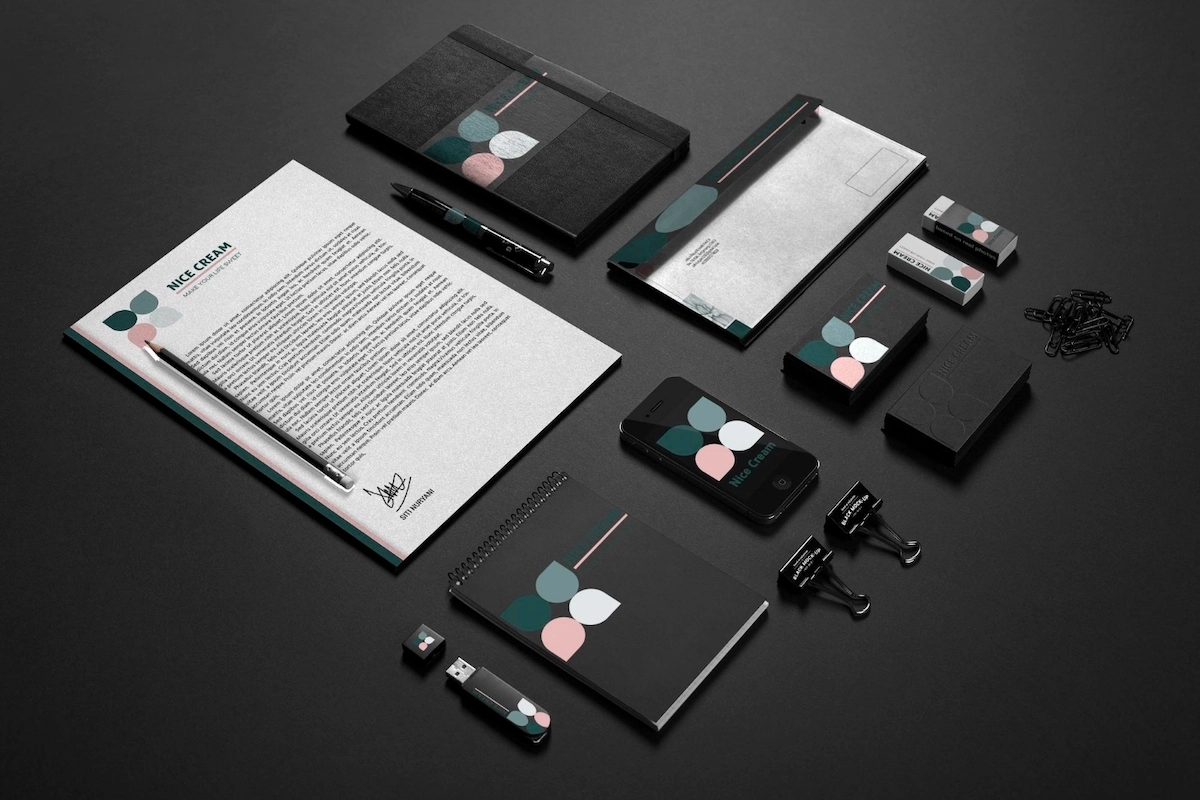
When most business owners think of branding, the first thing that comes to mind is a logo. It makes sense — logos are the most visible piece of any brand. But here’s the problem: a logo alone isn’t your brand.
Confusing the two leads to shallow branding, mixed messages, and lost opportunities. In this article, we’ll break down the difference and show what actually matters if you want to build a brand that grows trust, recognition, and loyalty.
The Myth of the Logo
Logos are symbols, not the whole story. They’re important for recognition, but a logo by itself won’t win or keep customers.
Think of it this way: a logo is like a handshake. It makes an introduction, but it’s not the entire relationship. Without consistency, trust, and a clear message behind it, a logo is just decoration.
What a Brand Really Is
A brand goes far deeper than a mark or symbol. It’s the entire experience people have with your business. It’s how you communicate, what you stand for, and the feeling you leave behind.
Brand strategist Marty Neumeier explains it best:
“A brand is not a logo. It’s not an identity system or a product. It’s a person’s gut feeling about a product, service, or company.”
That “gut feeling” is what makes people choose you over competitors, even if your products or prices are similar.
"A brand is not a logo. It’s not an identity system or a product. It’s a person’s gut feeling about a product, service, or company."
Marty Neumeier
Brand Strategist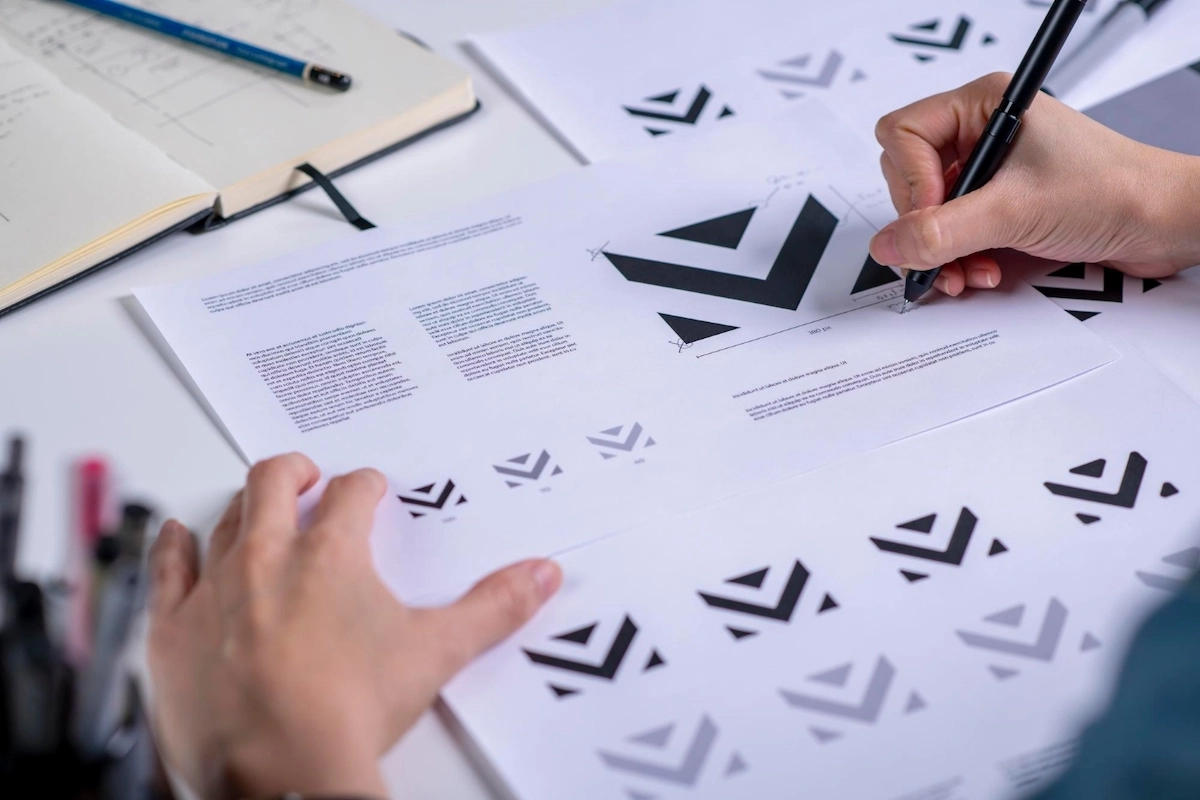
Why Business Owners Confuse the Two
It’s easy to see why logos get overemphasized:
- They’re the most visible design element.
- Agencies often package “logo design” as “branding.”
- Business owners want something quick and tangible to show off.
But this shortcut skips the deeper work. A strong brand needs more than a visual stamp — it needs story, consistency, and a clear voice.
What Really Matters for a Strong Brand
If your logo is only the handshake, then your brand is the whole conversation. Here’s what really drives a brand forward:
- Consistency — Visual and verbal alignment across your website, social media, print, and in-person interactions.
- Voice — The words and tone you use to connect with people.
- Story — Why your business exists, the values you stand for, and how you help.
- Experience — How customers feel at every touchpoint, from your site’s navigation to how you respond to emails.
When these pieces are in place, your logo becomes a symbol that represents something bigger — not the brand itself.
Practical Steps to Build Beyond a Logo
You don’t need to overhaul everything overnight. Start small with a few practical steps:
- Create a simple brand style guide.
Document your colors, fonts, and rules for using your logo. - Write down your values and voice.
Define what you stand for and how you want to sound online. - Audit your customer journey.
From your homepage to your email signatures, is everything consistent? - Apply your brand system everywhere.
Carry your identity into your social posts, proposals, and packaging.
- Create a simple brand style guide.
These steps make your brand feel cohesive and intentional — the foundation of trust.
"A brand is not a logo. It’s not an identity system or a product. It’s a person’s gut feeling about a product, service, or company."
Marty Neumeier
Brand StrategistConclusion
A strong logo is valuable, but it’s only one piece of the puzzle. The real strength of a brand comes from the story, consistency, and trust you build over time.
If your brand feels like “just a logo,” it’s time to think bigger. A logo may open the door, but your brand is what convinces people to stay.
👉 Want a brand that’s more than a logo? Work with me to build an identity that grows with your business.